
CAPA
CAPA is a project exploring the relationship between humans, craftsmanship, and technology through a reinterpretation of the shepherd and the objects traditionally associated with pastoral life.
A selection of elements
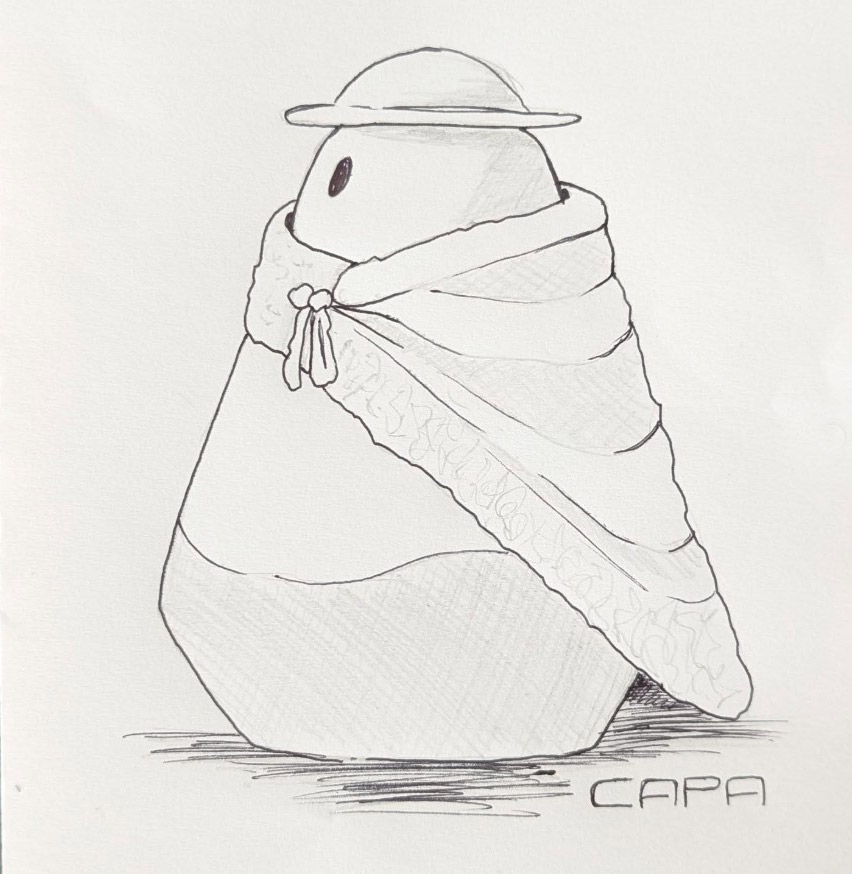
The piece consists of three elements: a ceramic vase, a wool cloak, and a handcrafted sheep bell.
The vase, entirely handmade using local clay, represents the shepherd, the human being. Its handcrafted nature is a deliberate choice, establishing a direct connection between the artisan’s hand and the human figure it symbolizes.
The wool cloak, on the other hand, represents technology. For centuries, this garment was one of the tools shepherds used to protect themselves from the cold and harsh weather conditions. In CAPA, this traditional technology is reinterpreted through a contemporary one: robotics.
A fundamental part of the project’s development involved teaching a robot how to weave carpets, exploring how to adapt the tufting process to a robotic system capable of working with wool. This experimentation led to the creation of the cloak surrounding the piece, produced through robotic tufting using wool supplied by Wool4Life.
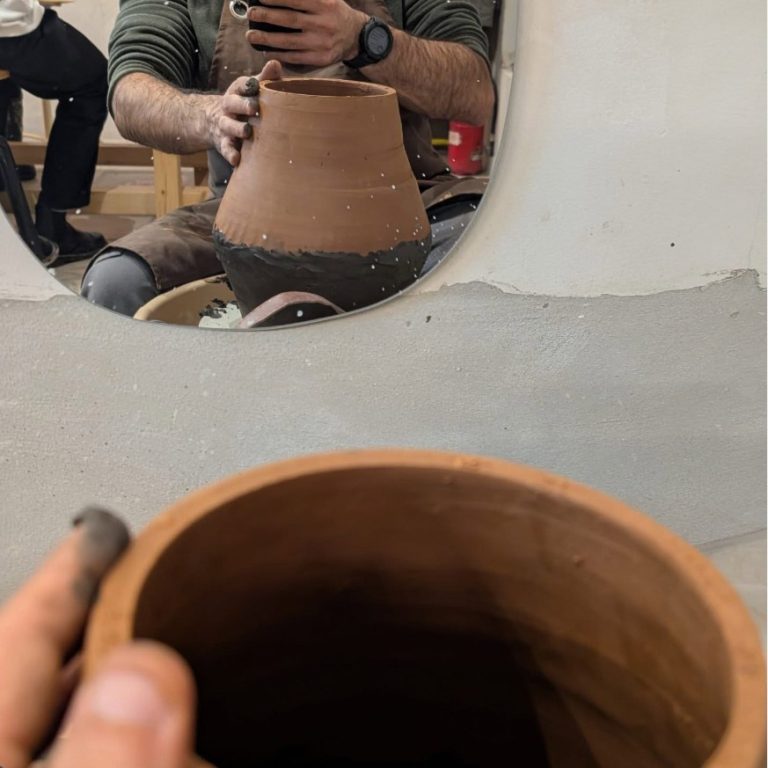
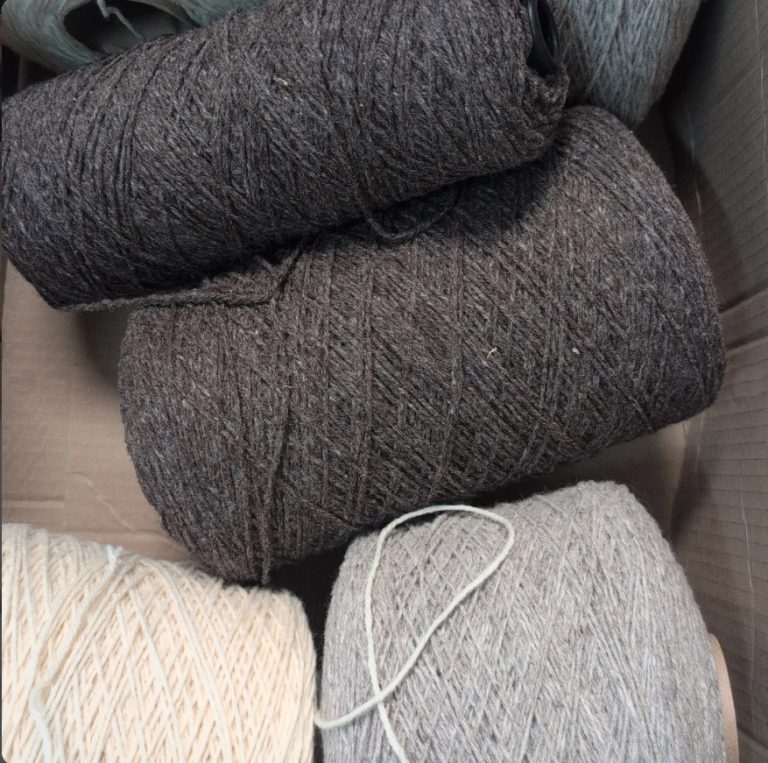
The composition is completed by an original sheep bell, handcrafted in Sardinia, maintaining a direct connection to the objects of pastoral tradition.
CAPA establishes a dialogue between different periods and ways of making. While the human being continues to be represented by a handmade object, the technology that protects them evolves, moving from a traditional garment to a piece manufactured through robotics.
The project reflects on how technologies evolve over time, while the human needs that inspire them remain.
CAPA was presented at enLANA2, an initiative by Alianza por la Lana, at Galería Nebula.
- Craftsmanship & Tradition
- Robotic Textile Innovation
- Sustainable Natural Materials
- Human-Centered Design
- Heritage Meets Technology
- Artistic & Material Experimentation